Why the Cactus Hand Drawn Vector Set Stands Out in a Market of Digital Assets
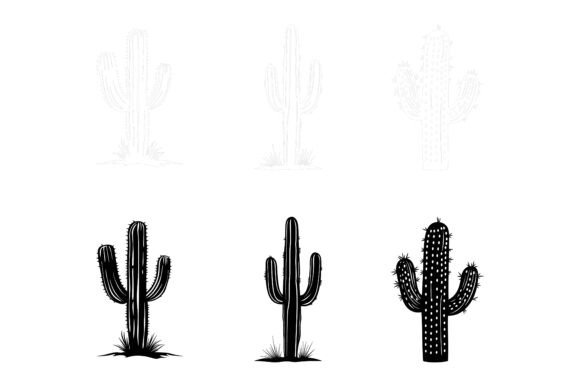
In the expansive world of digital design resources, vector sets offer a foundation for countless creative projects. Among these, hand-drawn styles have carved a distinct niche, blending artistic personality with technical flexibility. The Cactus Hand Drawn Vector Set represents a specific example within this category, and understanding its characteristics requires a look beyond the simple description of its contents.
Defining the Distinctive Elements of Hand Drawn Vector Art
Unlike the precision of geometric or flat design vectors, hand-drawn vector sets like this cactus collection prioritize an organic, illustrative feel. The lines may exhibit intentional unevenness, and shading might mimic pencil or ink strokes. This aesthetic choice immediately sets it apart from more rigid, corporate-style iconography. The "hand-drawn" quality isn't just a visual style; it's an embedded approach that conveys warmth, creativity, and accessibility. For designers seeking to soften a brand's digital presence or add a touch of artisanal charm to a project, this inherent character is a significant starting point.
The topic of the set—cacti—further narrows its focus. This isn't a generic nature pack but a curated collection around a specific botanical theme. This makes it highly suitable for projects related to deserts, resilience, wellness, specific geographic regions, or simply a trendy aesthetic. When comparing it to broader "plant" or "nature" vector sets, the specialized focus can be both a strength and a limitation. It offers depth within its theme but lacks the breadth of a more generalized collection.
Evaluating the Technical Format and Its Practical Implications
A crucial factor in selecting any digital asset is its technical composition. This set is offered in AI and EPS formats, accompanied by JPG previews. The AI file, native to Adobe Illustrator, and the EPS (Encapsulated PostScript) file are both vector formats. This means the artwork is composed of mathematical paths, not pixels, allowing for infinite scaling without loss of quality. This is a fundamental advantage over raster-based images (like standard JPGs or PNGs) for applications where size flexibility is paramount, such as large-format printing or adaptable UI elements.
The inclusion of both AI and EPS formats caters to different user environments and legacy software. The promise of a neatly organized file and layer structure is a practical benefit often overlooked. In many pre-made vector packs, elements are flattened or haphazardly grouped, making customization tedious. A logically layered file saves considerable time, allowing users to isolate, edit, or remove components easily. This organizational clarity directly impacts the asset's utility and value-for-time.
The mention of design for both Mac and Windows users addresses a basic compatibility concern, ensuring the files are accessible across the major operating systems without unexpected corruption or font issues. This universal compatibility is a baseline expectation for professional-grade resources.
Strengths in Application: From Print to Interactive Media
The stated suitability for print, web, symbols, apps, and infographics highlights the vector format's versatility. For print, the cactus illustrations can be scaled for a business card or a poster. For web and apps, the same files can be optimized and exported as SVG or PNG for icons and interface elements. In infographics, the individual cactus elements can serve as thematic markers or decorative flourishes. This multi-use potential is a key reason designers invest in vector assets over more limited formats.
The ease of editing, changing colors, and modifying the icons is the core promise of a vector set. Compared to purchasing a static stock image, a vector set like this offers adaptability. A designer can align the color palette with a brand's identity, combine elements to create a new compound icon, or adjust line weights to better match surrounding design elements. This level of control is essential for projects requiring coherence rather than off-the-shelf artwork.
Considering Trade-offs and Potential Limitations
While the Cactus Hand Drawn Vector Set offers clear benefits, it's important to weigh them against potential trade-offs and situations where it might not be the optimal choice.
Style Specificity: The hand-drawn, cactus-themed style is a deliberate aesthetic. For a project requiring sleek, minimalist, or photorealistic imagery, this set would be a mismatch. Its artistic looseness might clash with a highly technical or formal design context.
Scope of Content: As a themed set, its scope is intentionally narrow. If a project requires a wide variety of botanical illustrations—from trees to flowers to vegetables—this single-themed collection would be insufficient. In such cases, a broader "botanical vector pack" or a subscription to a comprehensive stock vector service might be a more efficient solution.
Skill Requirement: The full utility of the AI/EPS files—editing colors, modifying paths, reorganizing layers—presumes the user has access to and proficiency with vector editing software like Adobe Illustrator or Affinity Designer. For someone without these tools or skills, the JPG previews might be usable, but the core value of the editable vector is lost. In that scenario, a simpler purchase of raster-based cactus images could be more practical.
Identifying the Best-Fit Situations for This Asset
The Cactus Hand Drawn Vector Set is likely the right choice in several realistic scenarios.
For a small business or blogger focusing on desert tourism, wellness in dry climates, or sustainable living in arid regions, this set provides a cohesive, editable visual library that can be applied across logos, website graphics, and promotional materials.
A UI/UX designer working on a mobile app with a natural, friendly, or non-corporate tone might find these icons perfect for onboarding screens, settings menus, or reward badges. The hand-drawn style can make an digital interface feel more approachable.
An independent graphic designer tasked with creating a full branding package for a client with a "cactus" or "resilient" brand metaphor could use this set as a foundational element, efficiently customizing it to create a unique logo, pattern, and suite of marketing assets without starting from a blank page.
In these cases, the combination of thematic relevance, artistic style, and technical editability makes the set a valuable, time-saving resource.
When to Explore Other Options and Alternatives
Conversely, there are clear situations where designers should consider alternatives.
- If the project requires photographic realism, a set of high-quality cactus photos or 3D renders would be more appropriate.
- If the budget allows for a subscription service and the designer needs continuous access to a vast library of varied icons and illustrations (not just cacti), a platform offering thousands of vector assets might provide better long-term value.
- If the final deliverables only require small, fixed-size raster images (like social media graphics at specific dimensions), and no editing is needed, purchasing individual JPGs might be more cost-effective.
- If the desired style is strictly geometric or flat design, a modern flat icon set would better achieve that visual goal.
Factors for a More Informed Decision
Making a choice involves evaluating several personal and project-specific factors. Consider the scope of your current and foreseeable projects. Will you use cactus-themed imagery repeatedly, or is this a one-time need? Assess your technical capability and software access. Do you have Illustrator and the skill to modify vectors? Review the visual coherence with your existing or planned design system. Does the hand-drawn style integrate well? Finally, compare the cost-to-utility ratio against other available resources, including free vector sites or broader paid packs that might include cactus elements alongside other content.
The Cactus Hand Drawn Vector Set, with its specific hand-drawn charm and editable vector foundation, is a tool. Its value isn't inherent but is realized in its correct application. For the designer whose project parameters align with its theme, style, and format, it can be an efficient and effective solution. For those whose needs diverge, the market offers a spectrum of alternatives, each with its own set of trade-offs. The most informed decision comes from aligning the asset's distinct offerings with the clear requirements of the task at hand.